
I noticed it in the freezer aisle first. A frozen meal I sometimes grab on busy nights had a little badge on the front calling it GLP-1 friendly, and I stood there longer than I’d like to admit, trying to work out what that meant.
Now the cracker brand I grew up with is launching a protein version. None of this is random.
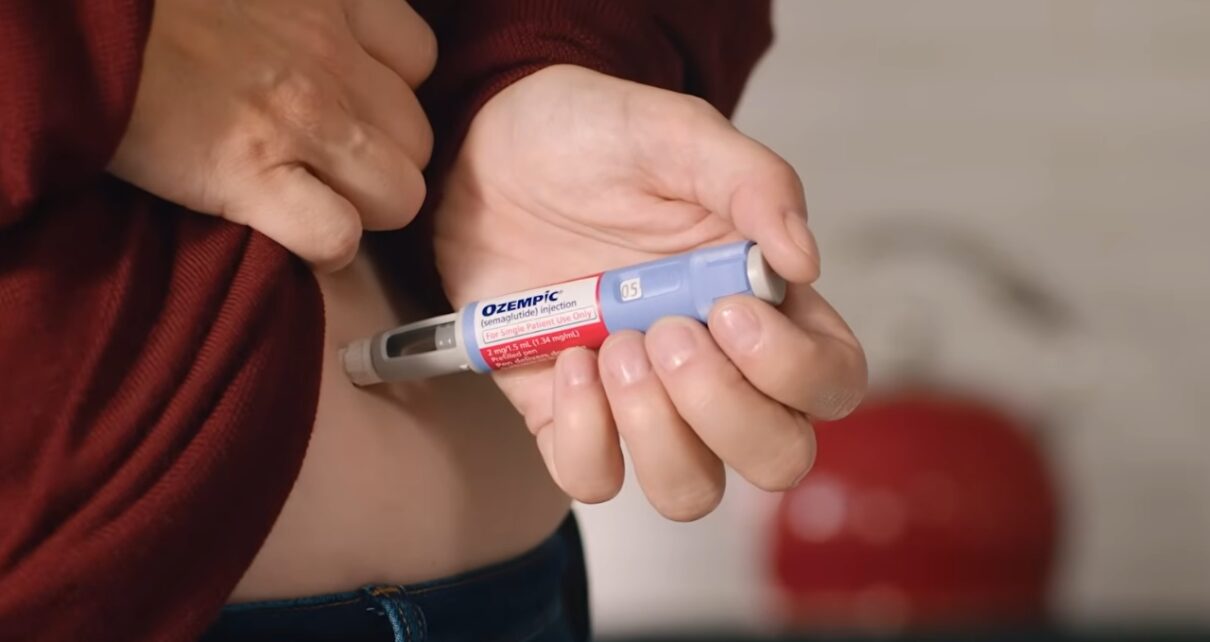
Purchase data shows that households using drugs like Ozempic, Wegovy, and Zepbound buy noticeably fewer snacks, and food companies are adjusting. Some of what you’ll see on shelves this fall is a real change. Some of it is a new label on familiar food.
What GLP-1 Households Stopped Buying, According to Real Grocery Receipts
The strongest evidence comes from Cornell researchers who matched survey answers about GLP-1 use with purchase records from a Numerator panel of about 150,000 U.S. households.
Their study in the Journal of Marketing Research, published December 18, 2025, compared households that started a GLP-1 with similar households that did not.
Spending category
Change within six months of starting
Total groceries
Down 5.3% on average
Groceries, higher-income households
Down more than 8%
Savory snacks
Down about 10%
Fast food and coffee shops
Down about 8%
Yogurt, fresh fruit, nutrition bars, meat snacks
Small increases
These are receipts rather than food diaries, so I take them seriously. They still show what a household bought, not what one person ate. Sweets, baked goods, and cookies fell by similar amounts.
Roughly a third of users stopped the medication during the study, and their spending moved back toward pre-drug levels, with slightly more candy and chocolate in the cart than before.
Snack Companies Are Shrinking Packs, Adding Protein and Relabeling Meals
I went through the company announcements expecting a few press releases and found a pattern instead. In February, Reuters reported that nearly three dozen companies outside health care had brought up GLP-1 drugs or weight loss on earnings calls in early 2026, up from 14 a year earlier.
These companies clearly aren’t treating it as a fad anymore. Their moves fall into four groups:
- Shrinking the snack. PepsiCo and Coca-Cola are pushing smaller packs and shorter ingredient lists this year, which reads to me like planning for people who eat less.
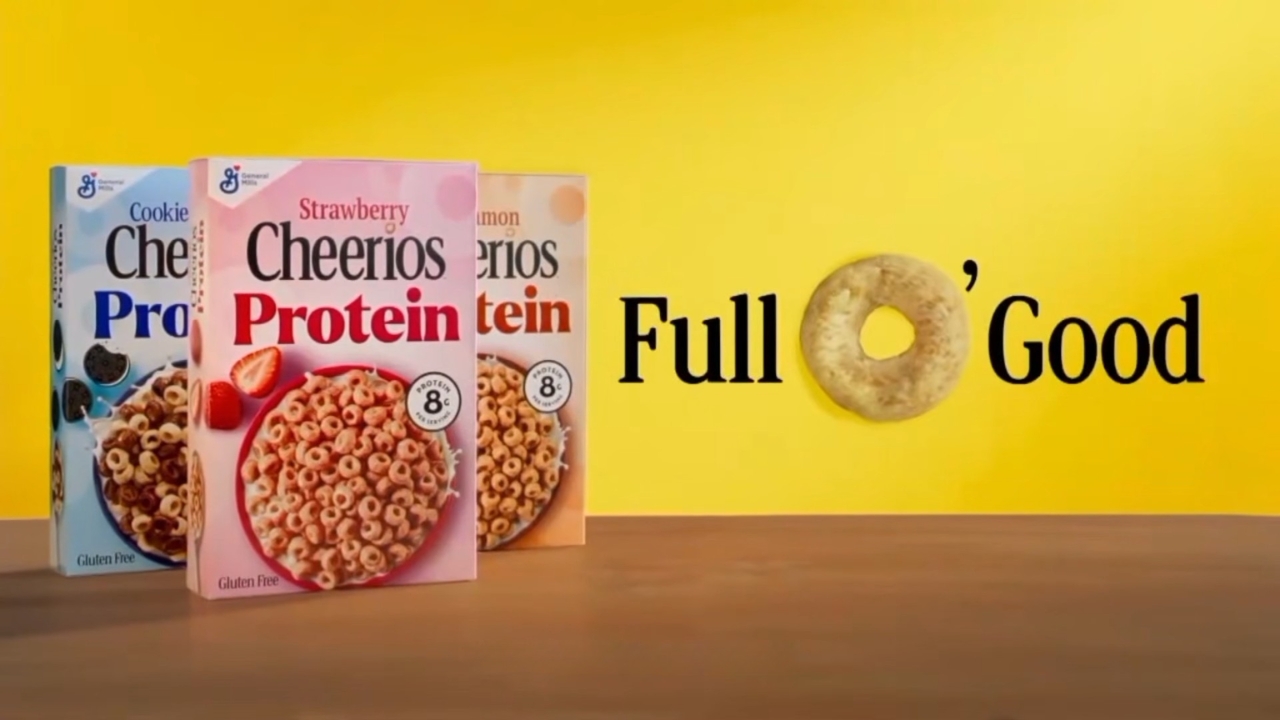
- Adding protein. General Mills launched a higher-protein Cheerios in December 2024, and Pepperidge Farm is bringing Goldfish with 6 grams of protein per serving to Walmart in October.
- Relabeling. Conagra’s December 2024 press release announced a GLP-1 friendly badge for 26 Healthy Choice frozen meals, with the recipes unchanged. This is the group I’d watch most carefully.
- Leaving the snack aisle. PepsiCo is moving into fresh foods like guacamole and gazpacho.
How Many People Are Actually Taking These Drugs
After reading the Cornell numbers, my first question was how many people we’re actually talking about. More than I guessed.
In a KFF poll taken in late October and early November 2025, about one in eight adults said they were currently taking a GLP-1 for weight loss, diabetes or another condition. The names confused me too.
One in five Americans have taken GLP-1s, and one in eight are on them now. Half of GLP-1 users, and half of all Americans with insurance, say that it is difficult to afford these drugs. https://t.co/cSaIWtjOmd
— IEET (@IEET) November 18, 2025
Ozempic is approved for type 2 diabetes, and Wegovy is the same drug, semaglutide, approved for weight management. Most of us just say “Ozempic” for all of them. My guess is the number keeps climbing, since the FDA approved the first GLP-1 pill for weight management in December 2025.
Did you know?
View this post on Instagram
Gallup, which asks only about weight-loss use, found an even steeper climb. In its survey of 5,065 adults conducted May 28 to June 5, 2026, 11% said they currently take a GLP-1 for weight loss, up from 3% in 2024. Gallup revised those figures on September 8 after changing how it weights responses.
The Headline That Promised More Than the Study Found
A headline that made the rounds last year said scientists had found why Ozempic changes the kinds of food people eat. I’ll admit I clicked hoping for a tidy explanation.
The study behind it, published in Food Quality and Preference by University of Arkansas researchers, was an online survey of nearly 2,000 U.S. adults conducted in May 2024. People estimated their own daily calories on a scale and reported which foods they ate more or less of.
Current users reported eating less, and the authors estimated the drop at roughly 720 to 990 calories a day for people taking a GLP-1 for weight loss. Processed foods, soda, refined grains, and beef were the foods most often cut back.
What surprised me is that users still rated those foods as desirable. That’s useful. It isn’t an explanation of why, and self-reported calories are rough.
What a “GLP-1 Friendly” Badge Does and Doesn’t Tell You
This is the part that sent me back to the freezer case. Conagra says its badge flags meals that are high in protein, low in calories and a good source of fiber, and that the USDA reviewed the labels.
Those three phrases have real rules behind them. “GLP-1 friendly” is different. I couldn’t find any federal definition for it, which makes it closer to a helpful nudge than a standard.
Under federal labeling rules for most packaged foods, “high” or “excellent source” means one standard reference serving provides at least 20% of the Daily Value for that nutrient. “Good source” means 10% to 19%. Meal products and USDA-regulated foods have their own versions of these rules.
None of this means the meals are a bad pick. It means the badge is a summary written by the company. The Nutrition Facts panel is still where the grams live.
Big Forecasts Are Not the Same as Sales Numbers
You’ll see big dollar figures in coverage of this story, and they deserve a second look. They are estimates about the future, built on assumptions about how many people will take these drugs and for how long. Remember that Cornell found spending bounced back when people stopped.
Figure
Source
What kind of number it is
Savory snack spending down about 10%
Cornell study
Measured, GLP-1 households only
Up to $12 billion in lost snack sales
EY-Parthenon, via Reuters
Forecast for the next decade
$73 billion in brand value at risk
Brand Finance, September 2026
Estimate for the 100 most valuable food brands worldwide
Brand Finance named Lay’s as the most exposed brand, with $6.8 billion of its value tied to vulnerable categories. That’s a valuation exercise, not a report that Lay’s sales fell by that amount.
The firm’s valuation director said the real risk is everyday purchases getting smaller or less frequent, rather than people giving up chips entirely.
GLP-1 Users Eat Less, So Protein and Nutrients Matter More
When you’re eating much less, each snack matters more. Four medical and nutrition groups addressed this in a joint advisory published May 30, 2025, telling clinicians that people on these drugs need enough nutrients packed into much smaller amounts of food.
There are hints the gap is real. A preliminary study of 387 adults recruited from Polish online support groups found fewer than 10% met recommended protein intake, based on two-day food diaries. It’s a small, self-selected group, so I wouldn’t generalize. If this is you, your prescriber or a registered dietitian can help you set targets that fit. After all this reading, I didn’t come away with new food rules. I came away with a habit I already had, just sharper. The front of a package is where the marketing budget goes, so the back is where I’ll spend my extra few seconds. This is what I’m checking now: The protein Goldfish reach Walmart in October, and I’ve already made room on my counter. I’ll set a bag of each flavor next to the originals and compare calories and protein for the same 55-piece serving before deciding whether the upgrade matters to me. The next badge I spot in the freezer case gets the same treatment. If you’re taking a GLP-1, bring your snack questions to your prescriber, who knows your dose and side effects. And with about one in eight adults already on these drugs, someone at your table may be reading those labels with a very different appetite.
How I’m Going to Read Snack Labels This Fall
My Final Perspective
Frequently Asked Questions