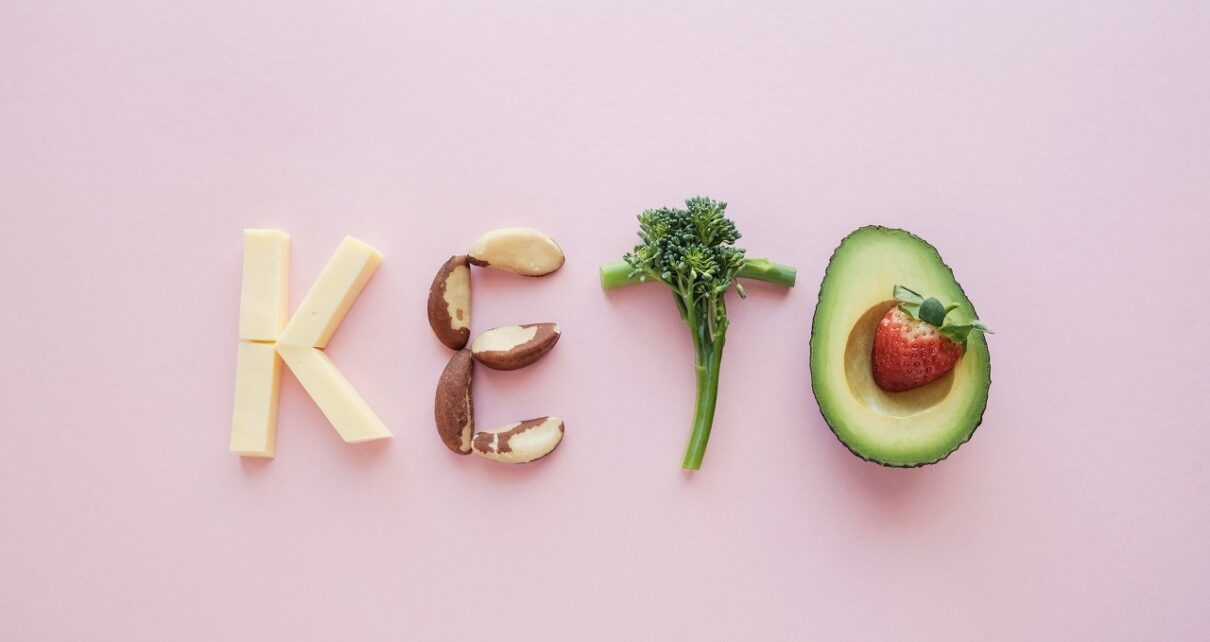
A controlled trial found a larger reduction in liver fat with a very-low-carbohydrate ketogenic diet than with Mediterranean or very-low-fat plant-forward diets after approximately the same weight loss. Participants had obesity, prediabetes and excess liver fat. The comparison was designed to assess metabolic changes at roughly 10% weight loss. Similar losses therefore do not establish […]
Author: Nutrition Desk
Small Changes I Make When Cooking My Favorite Meals to Keep the Calories Down
To reduce calories in a familiar recipe, check the ingredients that change the total most, then calculate the difference per serving. Measuring cooking oil, comparing dairy products and adjusting toppings can change the calorie total without replacing the entire meal. The amount saved depends on the product, quantity and number of portions. A difference quoted […]
What Happens If You Don’t Eat Enough Calories? Why Extreme Diet Can Do More Harm Than Good
Eating too little to meet your needs can affect energy, strength, concentration and the nutrients available to maintain body tissues. Persistent restriction can also affect reproductive function and bone health in some circumstances. The effects depend on the severity and duration of the shortfall, exercise demands and underlying health. A calorie target cannot establish nutritional […]
What Calorie Deficit Do You Need to Lose 1 lb a Week Without Feeling Hungry All Day?
A daily calorie deficit of 500 calories adds up to 3,500 calories over a week, the familiar estimate associated with one pound of weight loss. It is a starting calculation, not a guarantee that the scale will fall by exactly one pound or that the same reduction will suit every adult. Hunger cannot be predicted […]
How Much of a Calorie Deficit to Lose Weight, and When 1,000 a Day Is Too Much
A daily calorie deficit of 500 or 750 calories is one approach used in clinical weight management. Cutting 1,000 calories can leave too little food for someone with lower energy needs, even though the same reduction leaves a much larger intake for someone who burns more. For example, subtracting 1,000 from an estimated daily expenditure […]
Why Am I Not Losing Weight in a Calorie Deficit? Usually the Deficit Is Smaller Than It Looks
If your weight is not falling, the calorie deficit shown in an app may be smaller than estimated, or short-term changes in water and digestive contents may be obscuring a change in body tissue. A food log and a calorie calculator cannot distinguish those explanations on their own. The first step is to compare consistent […]
Losing Weight Fast Didn’t Mean Gaining It Back in This Year-Long Trial
A Norwegian randomized trial reported greater weight loss after one year with a faster initial program than with a more gradual approach. Average weight loss continued after the initial phase in both groups, which received the same follow-up program. The findings challenge the claim that faster loss inevitably leads to faster regain. They do not […]
Fasting Three Days a Week Lost No More Weight Than Calorie Counting, but It Felt Easier
Fasting on three nonconsecutive days a week produced similar weight loss to daily calorie restriction in an Australian trial. A later analysis found differences in reported eating behavior, but did not establish that fasting was less hungry or easier to maintain for everyone. The fasting schedule also needs clarification. Participants ate a reduced amount on […]
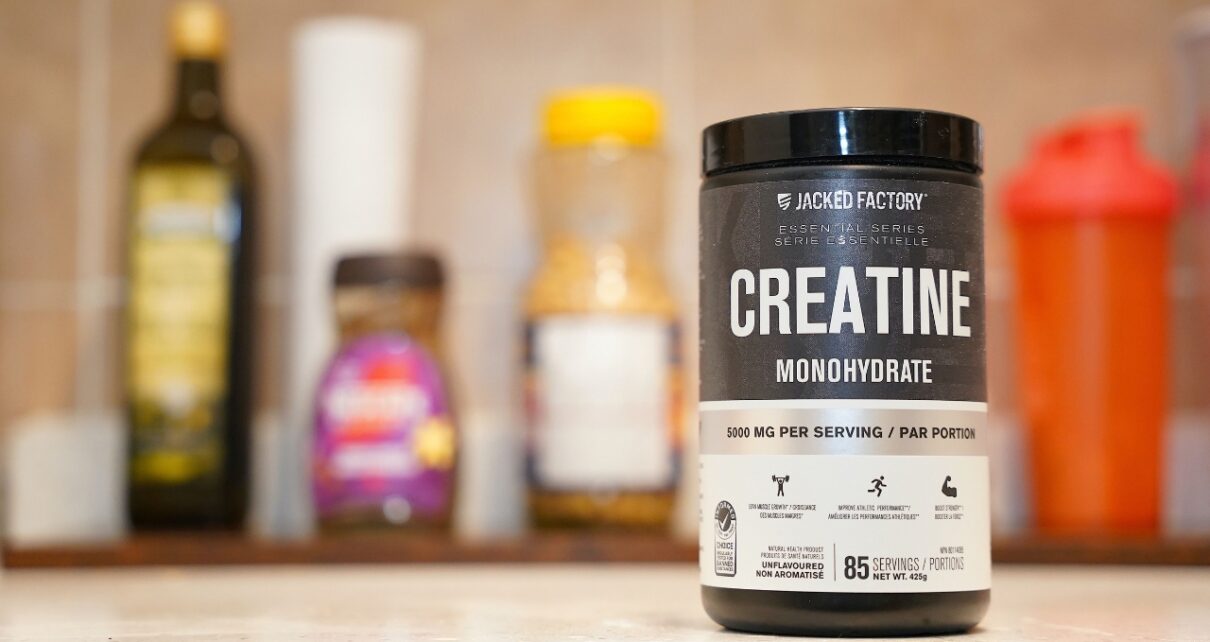
Creatine Helped Middle-Aged Dieters Add Muscle While the Fat Came Off
Middle-aged adults taking creatine during a 12-week diet and exercise program gained more measured lean tissue than participants following the same program with a placebo. Their body-fat percentage also fell further. The result supports studying creatine during weight loss, but the measurement needs careful wording. The researchers used DXA scans to assess body composition. An […]
Every Sip of Water Between Bites Added a Little More to Lunch
Adults who drank more water during lunch also ate more food in a 2026 analysis of laboratory meals. More frequent switching between bites and sips was associated with greater food intake too. The researchers did not establish that drinking water caused either result. The distinction matters if you are deciding whether to change a mealtime […]