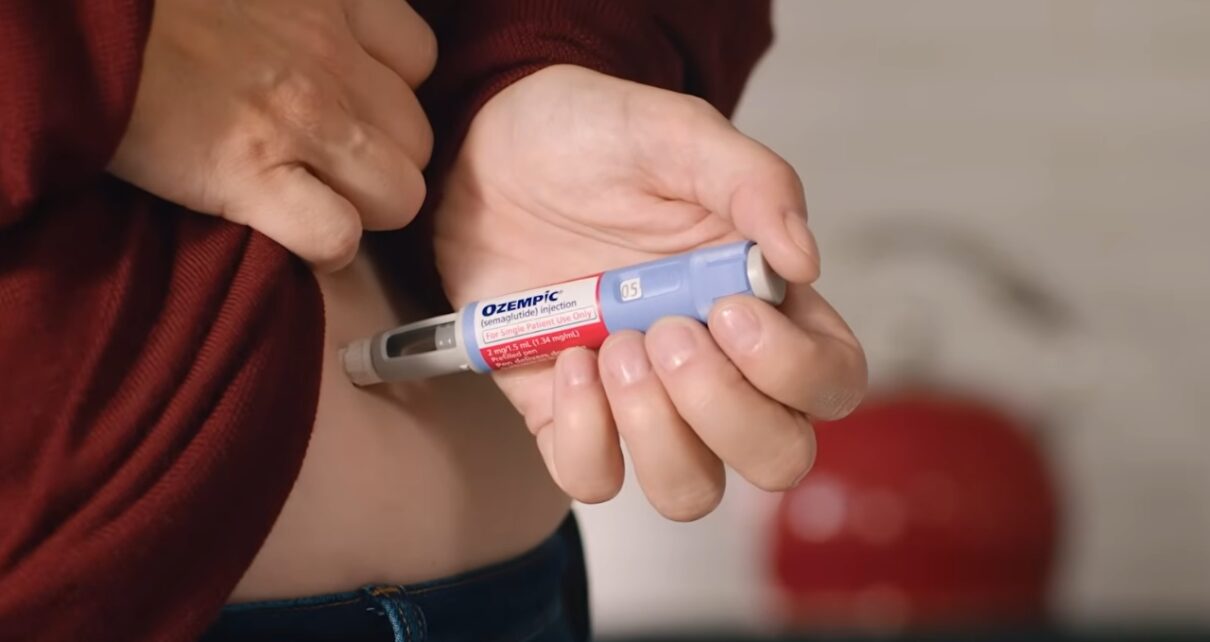
Some food companies are changing products for people who eat less while taking GLP-1 medications. Others are putting new labels on meals they already sell. A “GLP-1 friendly” badge and a protein claim can therefore describe quite different changes.
The purchasing data gives manufacturers a reason to pay attention. Households reporting GLP-1 use have reduced spending on groceries and snacks. For shoppers, the useful question is whether a new product offers something different from the original, or simply presents familiar food in different packaging.
What Grocery Records Show About GLP-1 Households
A study first published online in December 2025 in the Journal of Marketing Research linked survey responses about GLP-1 medication use with household purchase records. Researchers compared households adopting the medications with similar households that did not.
Within six months of adoption, households with at least one user reduced grocery spending by an average of 5.3%. Savory snacks showed a larger decline.
| Spending Category | Reported Change Within Six Months |
|---|---|
| Total groceries | Down 5.3% on average |
| Groceries in higher-income households | Down 8.2% |
| Savory snacks | Down 10.1% |
| Fast-food chains, coffee shops and other limited-service restaurants | Down 8.0% |
Those percentages describe household spending. They do not mean every person taking a GLP-1 ate 10% fewer snacks, consumed 5.3% fewer calories or reduced their food budget by the same amount.
In its account of the research, Cornell explains that the purchase records came from a Numerator panel of about 150,000 households. That is the size of the broader panel, not a count of 150,000 households taking the medications.
Cornell also reports that yogurt, fresh fruit, nutrition bars and meat snacks showed modest increases. Overall food purchasing still declined. After medication discontinuation, spending moved back toward earlier patterns.
The researchers could not fully separate medication effects from other lifestyle changes made at the same time. Purchase records offer useful evidence of changing demand, but they cannot show exactly who ate each item or why a household changed its shopping.
A New Badge Can Appear Without a New Recipe
Conagra provides a clear example. In its December 2024 announcement, the company said an “On Track” badge would appear on 26 Healthy Choice meals beginning in January 2025.
Conagra described the selected meals as high in protein, low in calories and a good source of fiber. It also explicitly stated that the meals themselves had not changed. The badge highlighted existing products.
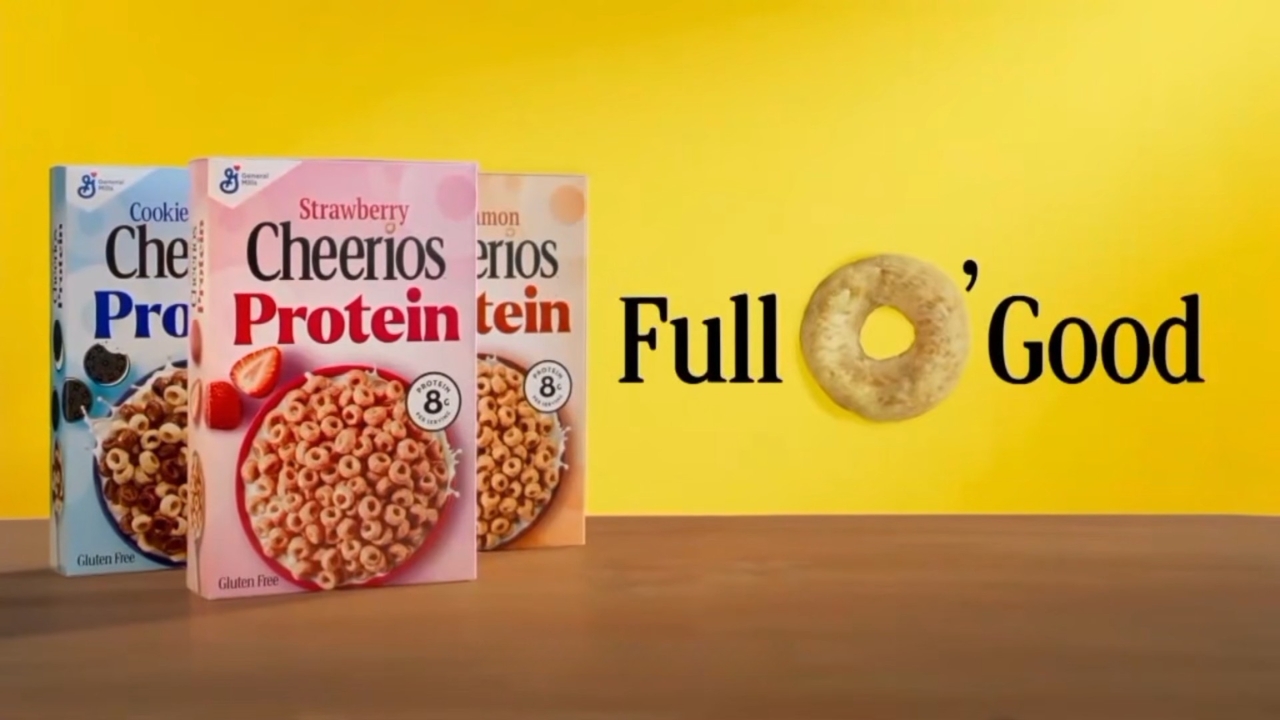
Other developments involve different formulations. General Mills introduced Cheerios Protein in December 2024 with 8 grams of protein per serving. Its announcement described a product created for families and broader consumer interest in protein, rather than exclusively for people taking medication.
Similarly, Campbell’s fiscal 2026 earnings remarks described plans for protein, whole-grain and gluten-free Goldfish options alongside family-focused marketing.
A protein launch can overlap with GLP-1 demand without being caused entirely by it. The company announcement and the actual nutrition label are better evidence of what changed than assuming every new protein product serves the same purpose.
The Adoption Figures Need Their Dates
A KFF poll published in November 2025 found that 12% of U.S. adults reported currently taking a GLP-1 medication for weight loss or another health condition. Another figure, 18%, described adults who had ever taken one.
Current use and ever-use measure different things. Both are dated survey results, rather than a live count of prescriptions or a measurement of how many people need a particular snack.
View this post on Instagram
What a GLP-1 Friendly Badge Can Tell You
A badge can help identify products selected using a company’s nutritional criteria. It does not tell you whether that food meets your individual needs, supplies enough nutrients for the day or will be comfortable to eat while taking medication.
For the Healthy Choice products described above, the company specified protein, calories and fiber as the relevant characteristics. Those are useful details to check on the package. They should not be assumed to describe every product carrying similar wording from another manufacturer.
A label review also serves a different purpose from clinical evidence. Conagra’s statement that USDA reviewed and approved the products carrying its badge should not be read as proof that those meals improve medication outcomes in a clinical trial.
Someone who does not take a GLP-1 can compare the same foods using the same nutritional information. The badge alone does not establish an additional weight-loss benefit.
Eating Less Still Requires Enough Nutrition
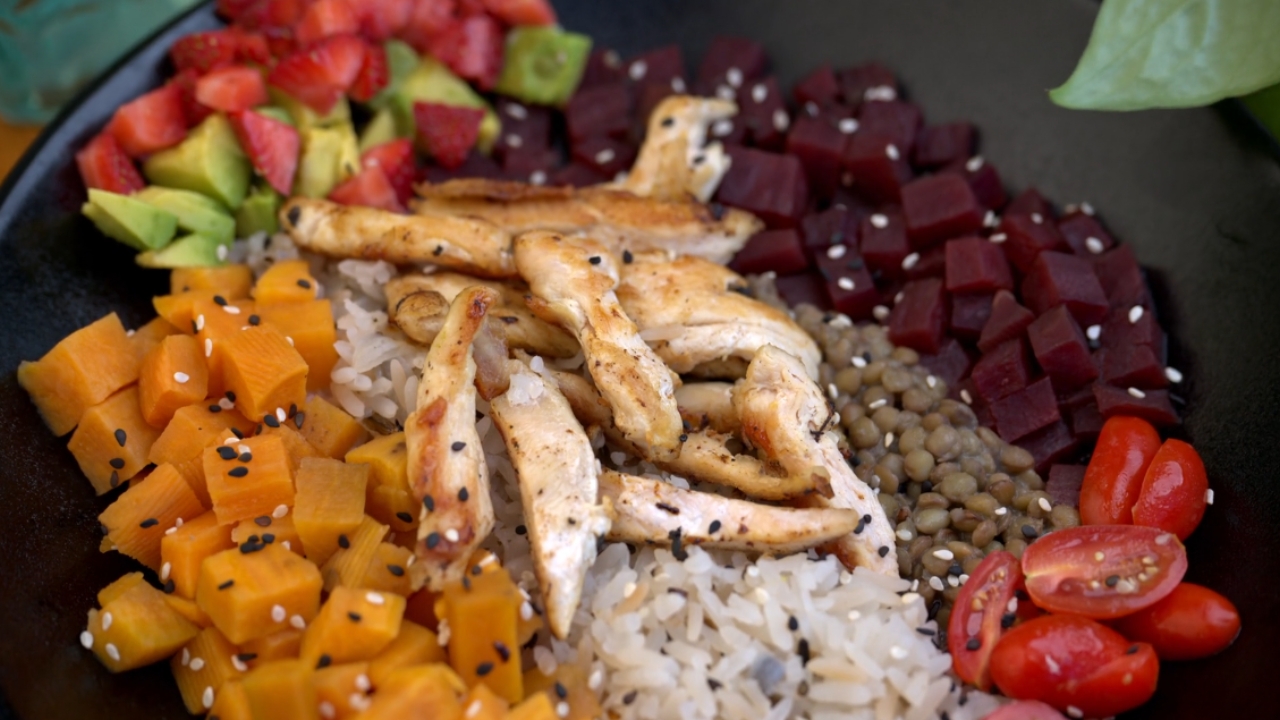
A smaller appetite can make it harder to obtain enough nutrients from the amount of food someone feels able to eat. A joint advisory published in 2025 by four medical and nutrition organizations addresses nutritional adequacy, gastrointestinal side effects and preservation of muscle during GLP-1 treatment.
The advisory emphasizes adequate protein alongside resistance training. Increasing protein alone is unlikely to provide the same muscle-preserving support in the absence of structured strength training.
That gives protein content a practical role, but a fortified cracker or cereal cannot establish whether the whole diet is adequate. Individual needs and tolerable foods should be discussed with the prescribing clinician or a registered dietitian.
For the broader relationship between calorie restriction and training, our article on building muscle in a calorie deficit separates muscle growth from weight loss. It is not a medication-specific treatment plan.
Compare Serving Sizes Before Comparing Protein Claims
The FDA guide to the Nutrition Facts label explains that calories and nutrient amounts refer to the listed serving. Serving size reflects an amount people typically consume, rather than a recommendation for how much you should eat.
A larger protein number can partly reflect a larger serving. The following hypothetical example shows why the weight of the serving matters.
| Hypothetical Product | Serving Size | Protein per Serving | Calculated Protein per 100 g |
|---|---|---|---|
| Snack A | 30 g | 6 g | 20 g |
| Snack B | 40 g | 8 g | 20 g |
Both contain the same proportion of protein in this example. The calculation is protein per serving divided by serving weight, multiplied by 100. Snack B supplies more protein in its listed serving because that serving is larger.
The amount you actually eat still matters. Comparing equal weights helps assess the formulation, while the portion on your plate determines how much protein and energy you consume.
Calories, fiber, sodium, saturated fat and added sugars belong in the comparison as well. For cereal, check whether the figures describe the cereal alone or a serving prepared with milk.
A Smaller Package Is a Separate Buying Decision
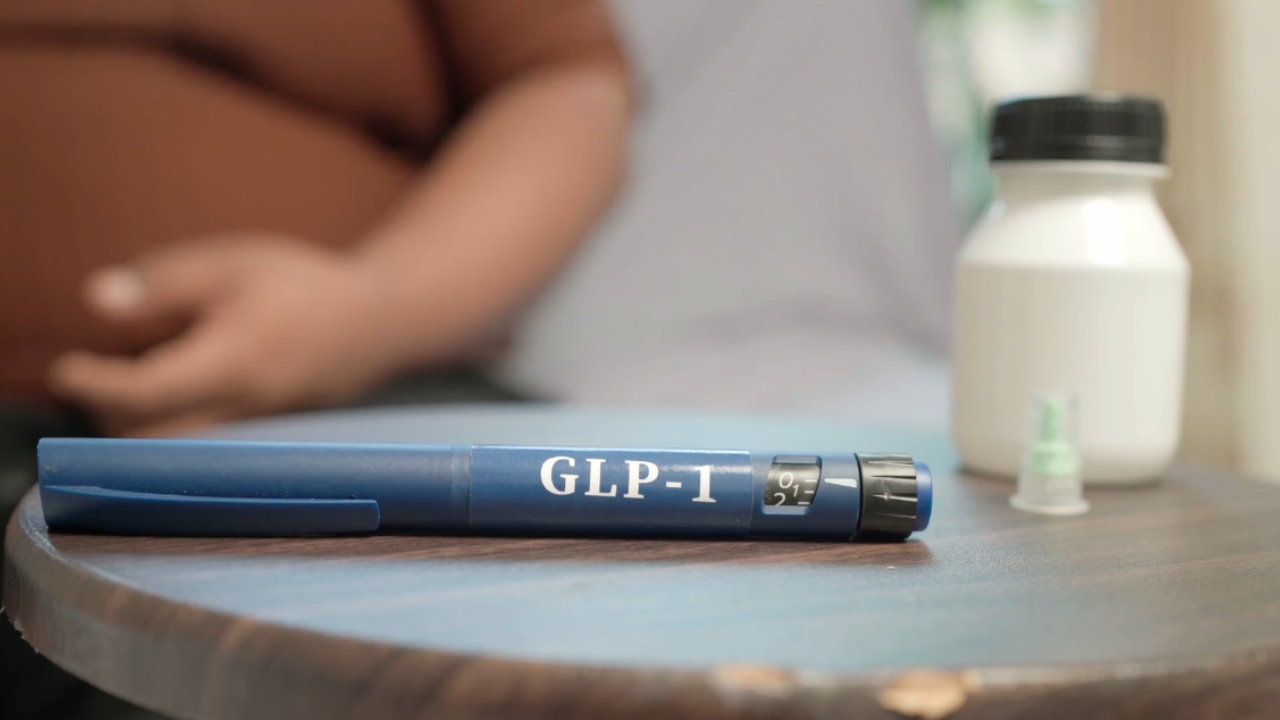
A smaller pack may be convenient, but the price of the package does not show the price of the food by weight. In a hypothetical comparison, a 50-gram pack costing $2 works out to $4 per 100 grams. A 100-gram pack costing $3 is cheaper by weight despite its higher price at checkout.
Neither package size nor a protein claim determines whether a snack fits a person’s needs. The useful information is the portion someone can eat, the nutrients it provides and the cost of that portion.
The same applies to calorie reduction. Our guide to how much of a calorie deficit to use explains why a larger reduction is not automatically appropriate. Lower household spending or a smaller appetite should not be treated as a personal calorie target.
Before paying more for a new version, compare its serving weight, full nutrition panel and unit price with the original. A changed recipe, a smaller pack and a new badge each answer a different question about what you are buying.
Medical disclaimer. Calorie Deficit publishes general information about food, nutrition research and consumer products. Content is not individual medical advice, diagnosis, treatment or a personal diet plan. Discuss medication-related nutrition concerns with your prescribing clinician or a registered dietitian.