
During my month of calorie counting this summer, I weighed peanut butter on a kitchen scale and opened my food app nine or ten times a day.
All that measuring made me look harder at what goes into the pan, not just onto the plate.
Instead of new recipes, I wanted my usual tacos, lasagna and weeknight eggs to cost fewer calories without tasting like a punishment.
So I started changing my favorite meals one ingredient at a time and checking each swap against a public source. Here are the swaps I use to cut calories, and the math behind them.
The Swaps I Make and the Calories Each One Cuts
Small swaps cut calories from a meal without changing what the meal is.
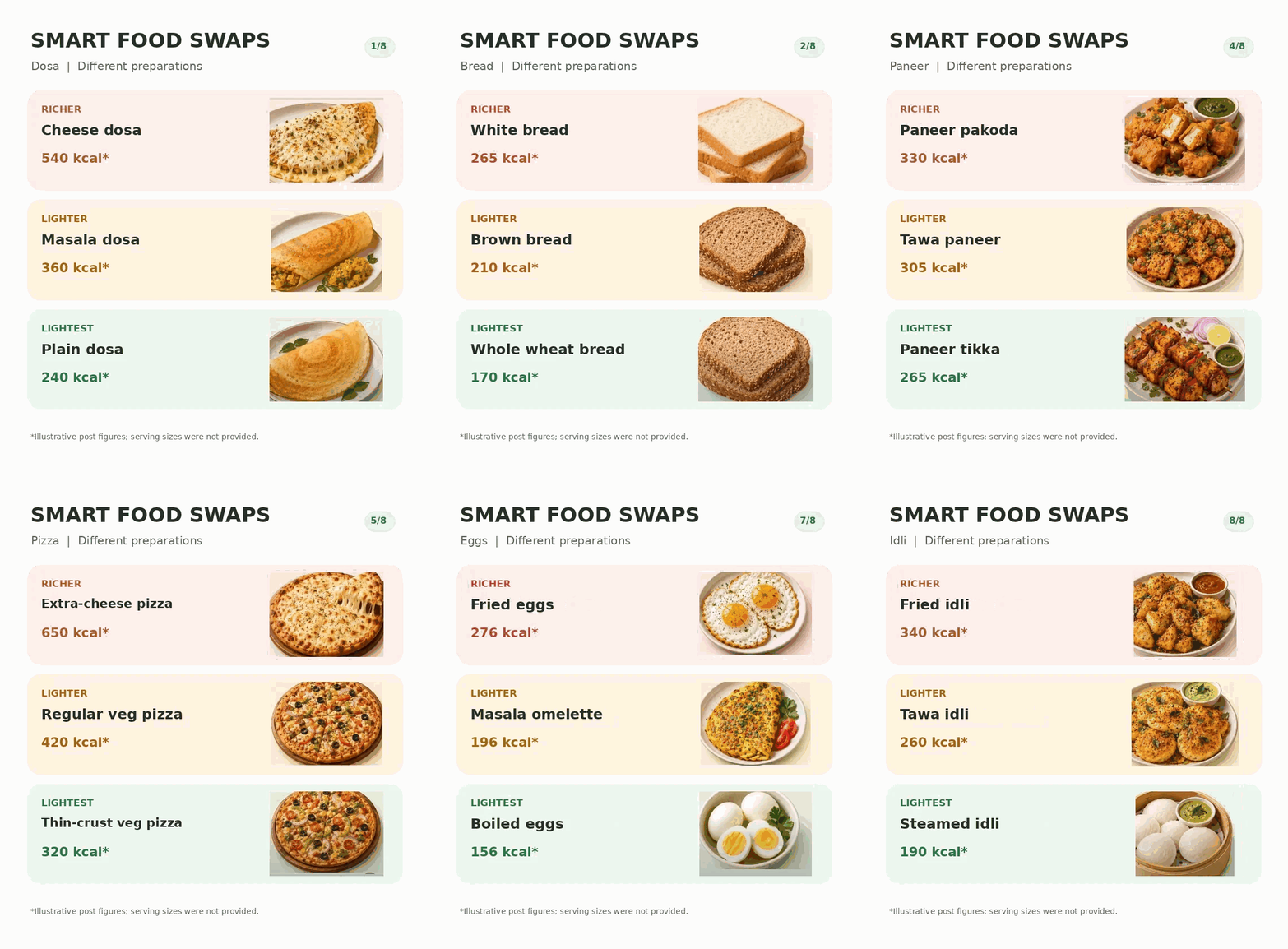
Most of mine save roughly 30 to 135 calories a serving, and the biggest ones come from fat I used to add without measuring.
The table lists what I replaced and what I use now. Every figure comes from a public source you can check, and the serving size matters as much as the swap.
If you want to cut calories without giving up a meal you love, start with the rows that match what you already cook.
| Where I use it | What I replaced | What I use now | Calories saved | Serving |
|---|---|---|---|---|
| Scrambled eggs | Pat of butter | Cooking spray | 34 | One pan of eggs |
| Side vegetables | Broccoli sauteed in oil | Steamed broccoli | 62 | 1/2 cup |
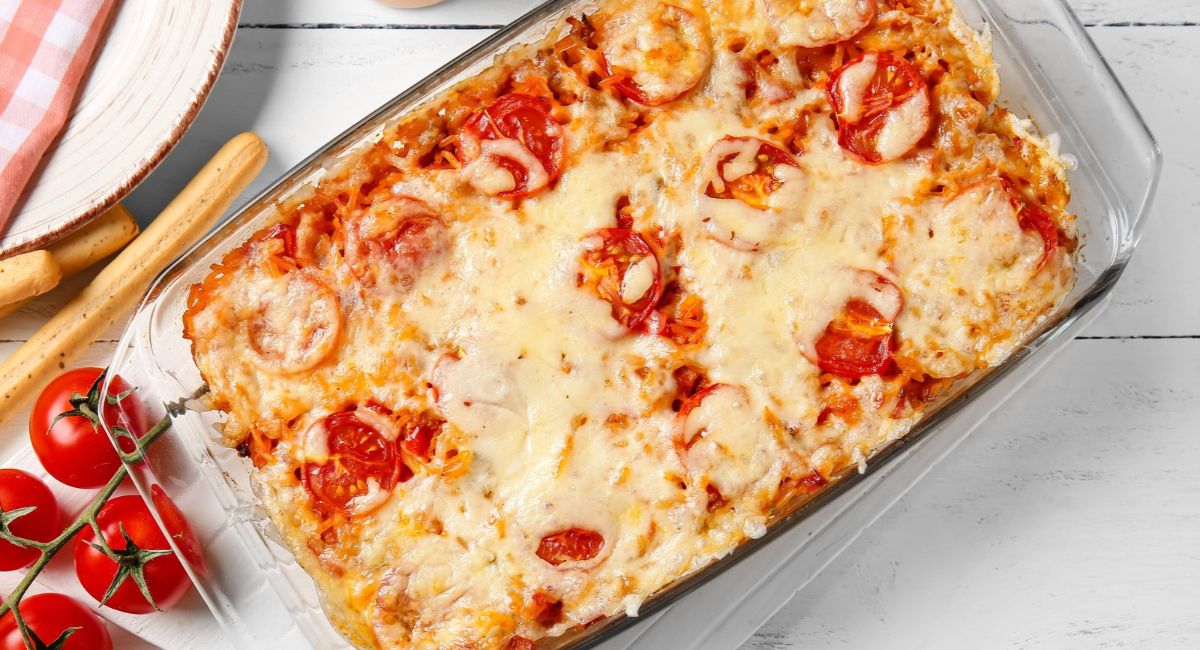
| Lasagna | Whole-milk ricotta | Part-skim ricotta | 89 | 1 cup |
| Tacos and chili | 80% lean ground beef | 90% lean ground beef | 36 | 3-oz cooked patty |
| Taco topping | Sour cream | Plain nonfat Greek yogurt | 134 | 3.5 oz |
| Salads | 2 tbsp ranch | 1/2 tbsp ranch | 109 | One salad |
| Movie night | Oil-popped popcorn | Air-popped popcorn | 73 | 3 cups |
| Cereal | Whole milk | Fat-free milk | 63 | 1 cup |
Six rows come from the CDC list of tips for cutting calories. The beef figure comes from NDSU Extension data on pan-broiled patties, and the yogurt figure from a University of Arizona comparison of 100 grams, about 3.5 ounces.
Cooking Oil Is the First Place I Cut Calories
Oil is the easiest way for calories to slip into a home-cooked meal, because a free pour is rarely exactly a tablespoon. A single tablespoon of olive oil carries about 119 calories.
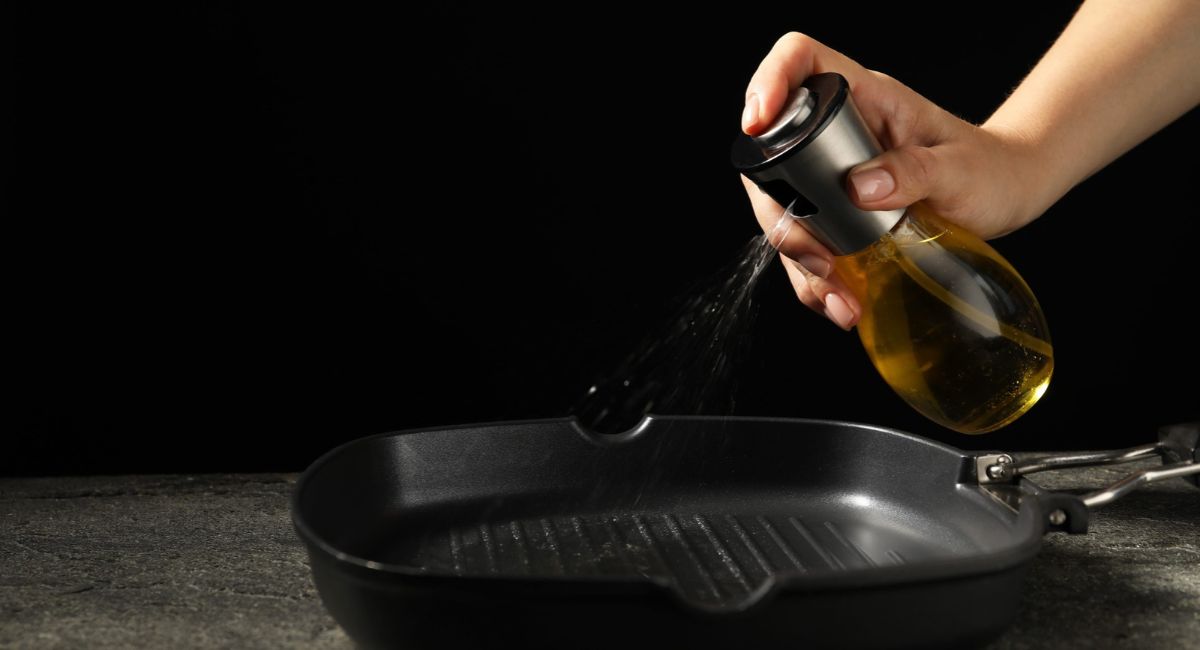
To cut calories here, I keep a measuring spoon next to the stove and use it before the oil hits the pan. When I log a recipe, I count the oil I used, not the amount I meant to use. Unmeasured oil is one reason a calorie deficit can be smaller than it looks.
Did you know? Federal labeling rules allow a food to show 0 calories when a serving has fewer than 5 calories. A cooking spray serving is about a third of a second of spray, roughly 2 calories, while a full second comes close to 9, according to a culinary medicine guide to oil spray.
Lighter Dairy Where I Will Not Miss It
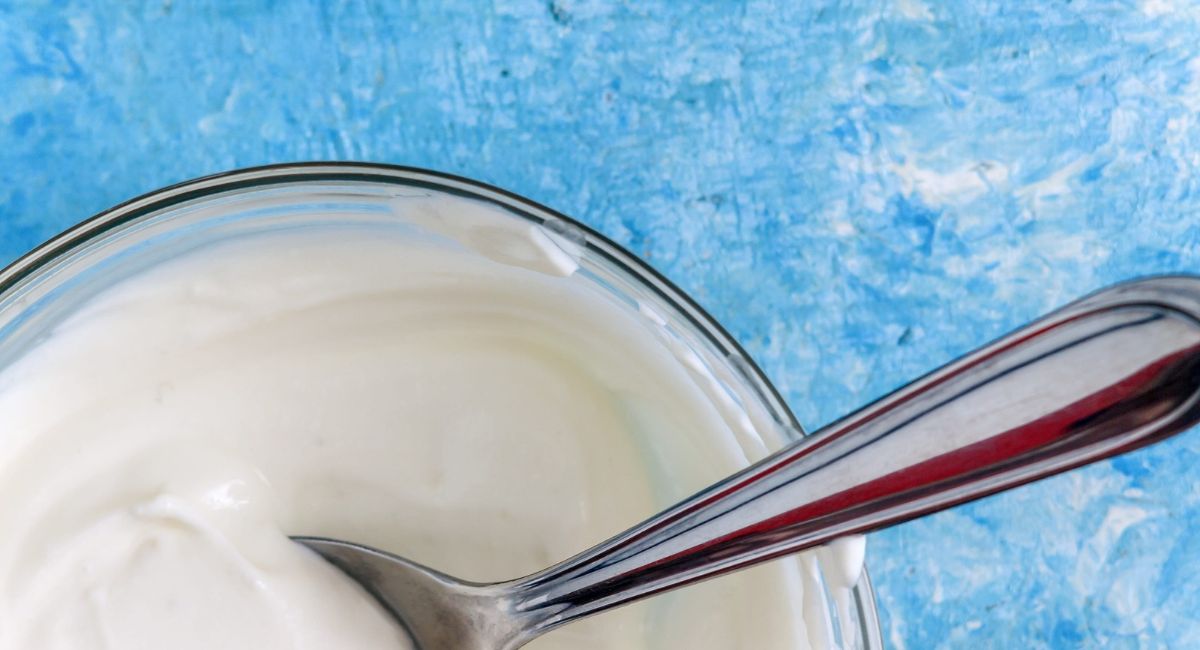
Dairy is where I am most selective. On tacos or a baked potato, plain nonfat Greek yogurt does the job of sour cream, and the 134-calorie gap per 3.5 ounces is large enough to matter on a weeknight.
In lasagna, part-skim ricotta disappears into the layers, and fat-free milk in cereal stopped tasting thin to me after a week or so. My rule is simple. I cut calories from dairy that is mixed in or spooned on, and keep the full-flavor version where it sits on top and carries the dish.
- Swap sour cream, ricotta, and milk in cereal or creamy sauces first.
- Use less sharp cheddar on top instead of a lighter cheese, since a smaller amount still tastes strong.
- Compare lighter versions calorie by calorie per serving on the back label before buying.
Leaner Meat and Cooked Vegetables in the Same Pan
For tacos and chili, I buy 90% lean ground beef instead of 80% lean. The 36-calorie difference per 3-ounce cooked portion sounds small, but the cumin and chili powder hide the change, so it costs me nothing at the table.
Choosing leaner meat can make a bigger difference than you might expect. This video shows how two similar-sized meals can have very different calorie counts simply because of the cut of meat used.
Adding vegetables to the pot is the bigger way I cut calories, because each serving then holds less meat.
The CDC suggests shredded carrots, zucchini or spinach in place of some meat in lasagna, and I do the same with chili, using diced peppers and canned tomatoes to stretch the pot.
Energy density is the number of calories in a given weight of food. Water lowers the energy density of a dish because it adds weight without adding calories, which is why vegetables and broth make a bowl fuller for the same calories.
What a Day of Small Swaps Adds Up To
To see how far small changes cut calories in practice, I added up three swaps from the table that fit into one ordinary day.
Spray instead of butter for breakfast eggs saves 34 calories, measuring ranch at lunch saves 109, and steamed broccoli at dinner saves 62, for a total of 205 calories.
That total is my own arithmetic using the CDC figures, not a measured result, and your products may differ.
Still, 205 calories is about 40 percent of the 500-calorie daily cut many weight-loss guides start with, and the three meals look almost the same.
Two things decide whether swaps like these cut calories over months rather than days.
- Choose swaps for foods you eat several times a week, not once a month.
- Keep the changes you stop noticing, and drop the ones that make you look for something else to eat.
Swaps I Tried and Gave Up
Not every lighter version earned a place in my kitchen. Fat-free cheese never melted the way I wanted on a casserole, so I went back to a smaller amount of sharp cheddar.
I also gave up the idea that more volume had to mean raw salad.
During my calorie counting month, I built huge raw vegetable bowls, and the afternoon bloating I have known since my twenties came back.
That describes my stomach, not a rule about vegetables, but cooked vegetables and broth-based soup now do that job for me.
Changing everything at once was the last thing I dropped. When I lightened every ingredient in a recipe, the meal felt like a diet version of itself. Now I make one or two changes that cut calories and leave the rest alone.
If you are asking yourselves these questions here is what I think:
Where I Would Start Tonight
If I could suggest only one way to cut calories, it would be measuring the oil in the meal you cook most often.
At about 119 calories a tablespoon, a habit of pouring two instead of one adds roughly 120 calories to the pan unnoticed.
Next time you make that dish, keep a measuring spoon by the stove and swap one mixed-in dairy ingredient for a lighter version, then taste before you decide.
Small changes only cut calories if you keep making them, so hold on to the ones nobody at the table notices.